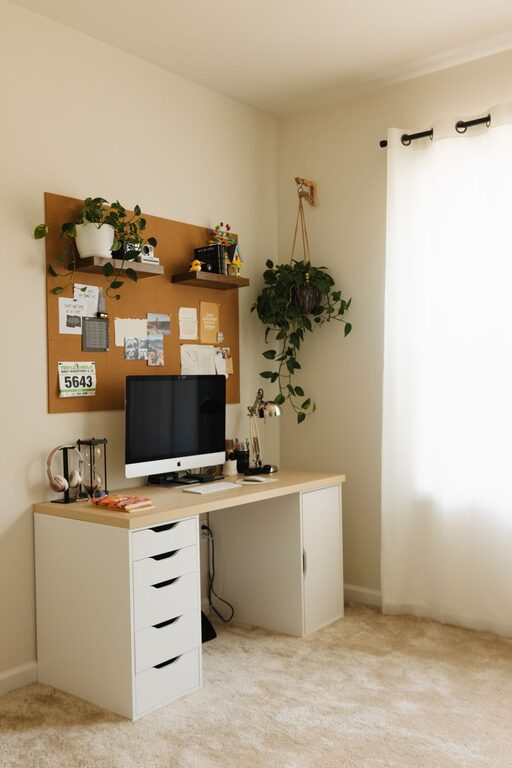



Creating a cozy and functional home office space is essential for anyone working or studying from home. A well-designed workspace not only boosts productivity but also helps you feel comfortable and motivated throughout the day. Whether you have a dedicated room or a small corner, there are simple ways to transform your space into an inviting and efficient office. This guide offers practical tips to help you design a home office that meets your needs and style.
1. Choose the Right Location
Before you start setting up, think about where in your home you want your office to be.
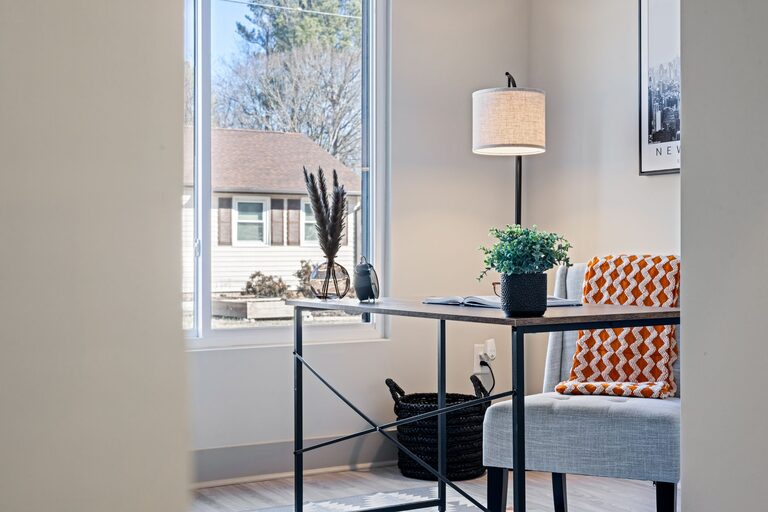
– Natural Light: Select a spot near a window if possible. Natural light improves mood and reduces eye strain.
– Quiet Area: Pick a quiet corner away from common distractions like the kitchen or TV.
– Space: Make sure there’s enough room for your desk, chair, and any other equipment you need.
If space is limited, consider creative options like a fold-out desk or a small nook that can be closed off when not in use.
2. Invest in Comfortable Furniture
Your home office furniture should support your work habits and posture.
– Ergonomic Chair: A chair with good lumbar support is crucial for long hours of work.
– Desk Size: Choose a desk that fits your tasks. Make sure it has enough surface area for your computer, notebooks, and other essentials.
– Adjustability: Height-adjustable desks allow you to switch between sitting and standing, promoting better health.
Comfort in your furniture encourages focus and reduces physical fatigue.
3. Optimize Lighting for Productivity
Lighting plays a key role in setting the right ambiance and reducing eye strain.
– Layered Lighting: Combine natural light with overhead fixtures and desk lamps.
– Warm vs. Cool Light: Use warm light for relaxation and cool white light for tasks requiring concentration.
– Avoid Glare: Position your screen perpendicular to windows to minimize glare.
Good lighting helps maintain energy levels and keeps you alert.
4. Organize with Functional Storage
Clutter can reduce productivity, so smart storage solutions are a must.
– Shelves and Cabinets: Use shelves to keep books and supplies accessible but organized.
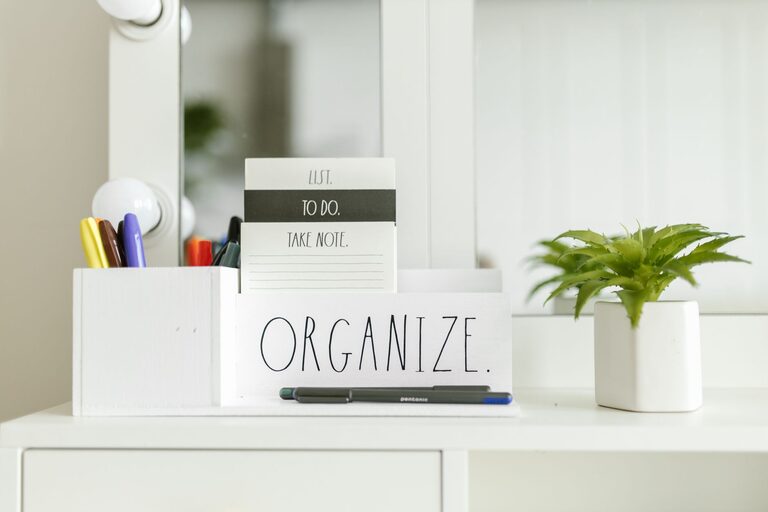
– Desk Organizers: Keep pens, papers, and devices tidy with drawer dividers or desktop trays.
– Cable Management: Hide cords with clips or under-desk trays to keep the workspace neat.
A tidy office reduces stress and makes it easier to find what you need.
5. Personalize Your Space
Adding personal touches makes your office feel inviting and uniquely yours.
– Decor: Choose artwork, plants, or decorative items that inspire you.
– Color Scheme: Pick calming colors like soft blues or greens, or energizing colors like yellows, depending on your taste.
– Comfort Items: Add a cozy throw blanket, cushions, or a small rug for warmth and texture.
Personalization helps create a space where you enjoy spending time.
6. Incorporate Technology Thoughtfully
Modern home offices rely on technology, but it should be user-friendly and streamlined.
– Reliable Equipment: Invest in a good computer, monitor, keyboard, and mouse suited to your tasks.
– High-Speed Internet: Ensure your internet connection is strong to avoid interruptions during video calls or uploads.
– Accessories: Use headphones, webcams, or external drives as needed, but avoid overcrowding your desk.
Tech setup should enhance your workflow without becoming a distraction.
7. Set Boundaries and Create Routine
A home office works best when you mentally separate work from home life.
– Dedicated Hours: Set specific work hours and stick to them.
– Physical Boundaries: Close doors or use room dividers to signal work time.
– Break Space: Have a spot nearby where you can take short breaks away from your desk.
Clear boundaries help maintain balance and improve focus during work periods.
8. Maintain Air Quality and Comfort
A comfortable environment affects your well-being and productivity.
– Ventilation: Open windows regularly to keep fresh air circulating.
– Plants: Indoor plants improve air quality and add a calming element.
– Temperature Control: Use fans, heaters, or humidifiers to keep the temperature comfortable year-round.
Staying comfortable ensures you can work efficiently without distractions.
—
Final Thoughts
Designing a cozy and functional home office is all about combining comfort, organization, and personalization. By carefully selecting your location, furniture, lighting, and accessories, you create a space that promotes focus and well-being. Remember that your needs might evolve, so keep your setup flexible. With these tips, you can enjoy a productive workday from the comfort of your home.