


Working from home has become increasingly common, and having a dedicated, productive office space can make all the difference in your workday. Whether you’re a full-time remote worker or need a spot for occasional tasks, creating an environment that supports concentration, creativity, and comfort is key. Here are some helpful tips to design a home office that helps you stay focused and productive.
Choose the Right Location
Find a Quiet Spot
Select a room or corner in your home where you are least likely to be disturbed. Noise and distractions can hamper your concentration, so aim for a quiet area.
Consider Natural Lighting
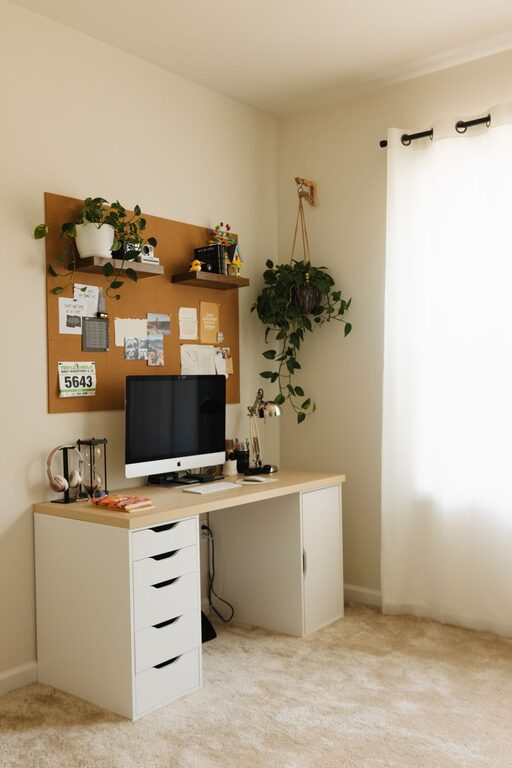
A space with plenty of natural light can boost your mood and energy. Position your desk near a window if possible. If natural light is limited, use bright, warm lamps to mimic daylight.
Invest in Comfortable Furniture
Ergonomic Chair and Desk
Comfort is essential for long working hours. Invest in an adjustable chair that supports your back and a desk at the right height to avoid strain.
Proper Desk Size
Make sure your desk has enough space for your computer, paperwork, and other essentials. A clutter-free surface helps keep your mind clear.
Organize Effectively
Declutter Regularly
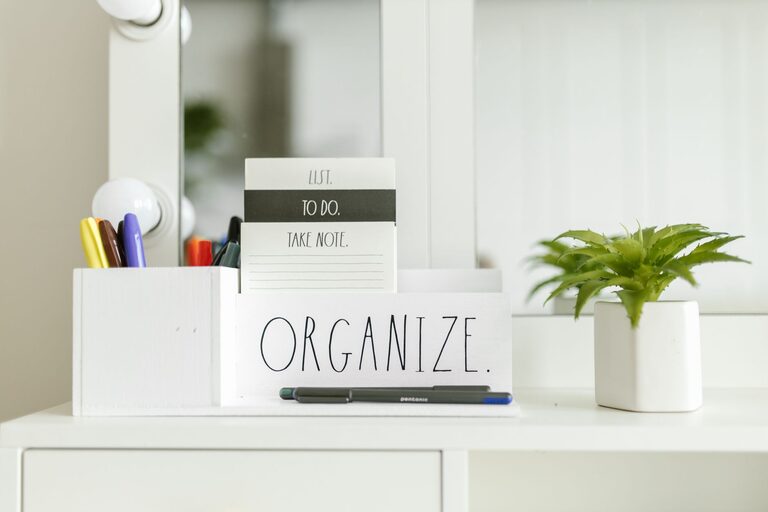
Keep only what you need on your desk. Clutter can be distracting and reduce efficiency. Use drawers, shelves, or storage bins to keep items organized.
Use Storage Solutions
Incorporate organizers like filing cabinets, desk trays, or wall-mounted shelves. Having a place for everything means less time spent searching for items.
Set Up Technology Thoughtfully
Reliable Internet Connection
A stable internet connection is critical for virtual meetings and online work. Consider upgrading your router or using a wired connection if Wi-Fi is unreliable.
Efficient Equipment
Use tools that suit your workflow, such as a quality keyboard, mouse, and monitor. Investing in a printer or scanner may also be helpful depending on your job.
Personalize Your Space
Add Personal Touches
Include items that inspire you, such as plants, photos, or artwork. Personal touches can make the space welcoming without creating distractions.
Choose Soothing Colors
Colors affect mood and concentration. Soft blues, greens, and neutrals tend to be calming and help improve focus.
Establish Boundaries
Define Work Hours
Set clear work times and communicate them to household members. This helps minimize interruptions and sets a professional tone.
Separate Work and Leisure
Keep your home office distinct from relaxation areas. Avoid working in bed or on the couch to maintain a healthy boundary between work and rest.
Optimize Lighting and Sound
Use Layered Lighting
Combine overhead, task, and ambient lighting. Good lighting reduces eye strain and keeps you alert throughout the day.
Control Noise
Consider noise-cancelling headphones or white noise machines if complete silence isn’t possible. Soft background music can also help some people concentrate.
Take Breaks and Move
Schedule Breaks
Taking short breaks improves focus and prevents burnout. Use reminders to stretch, walk, or do simple exercises away from your desk.
Create a Comfortable Environment
Keep your workspace at a comfortable temperature. A slight change in your surroundings during breaks, like stepping outside, refreshes your mind.
Maintain Good Habits
Keep a To-Do List
Organize tasks by priority. Breaking work into manageable chunks keeps you motivated and on track.
Limit Multitasking
Focus on one task at a time to increase productivity. Use tools like time-blocking to keep your day structured.
—
Creating a productive home office is about balancing comfort, organization, and focus. With the right setup and habits, your workspace can become a place where you thrive professionally and feel motivated every day. Start with small changes and adjust your space as you discover what works best for you. Happy working!